

ECHO (analyzing the mechanism of Echo Chambers through Opinion-knowledge interactions) is a strategic research collaboration between Laboratoire d’Informatique de Grenoble and Department of Computer Science and their teams. Launched in 2025 as a laureate of the NTU-UGA-UT Trilateral Centre, this project analyzes how knowledge propagation influences opinion dynamics by examining the interplay between individual agents’ knowledge and opinions and their susceptibility to social influence.
By pooling their expertise together, they worked on determining the connection between opinions and beliefs and the effect of this connection on the creation of echo chambers.
Together, they are not just conducting research; they are building the scalable frameworks needed to identify new research challenges for fostering long-term collaboration beyond the project's duration.
These exchanges produced concrete results on a multi-agent model integrating opinion dynamics with intra-group belief propagation while maintaining belief-opinion coherence. Through simulations, the team showed that coupling belief and opinion propagation can increase echo chambers and drive social fragmentation.
These achievements led to three peer-reviewed conference papers, providing a strong basis for continuing the project.
By pooling their expertise together, they worked on determining the connection between opinions and beliefs and the effect of this connection on the creation of echo chambers.
Together, they are not just conducting research; they are building the scalable frameworks needed to identify new research challenges for fostering long-term collaboration beyond the project's duration.
Tangible Results
In FY2025, the project significantly strengthened the UGA-UT collaboration through student mobility, joint supervision, and faculty exchanges. Under the UGA-UT Double Degree Program, Hiro Kataoka stayed at UGA/INRIA from September 2024 to July 2025, while Rémi Gaulmin began study at UT in April 2025. Faculty visits by Jérôme David, Koji Hasebe, and Jérôme Euzenat supported intensive discussions on theory, simulation, and publication strategy, while also helping prepare future student participation.These exchanges produced concrete results on a multi-agent model integrating opinion dynamics with intra-group belief propagation while maintaining belief-opinion coherence. Through simulations, the team showed that coupling belief and opinion propagation can increase echo chambers and drive social fragmentation.
These achievements led to three peer-reviewed conference papers, providing a strong basis for continuing the project.
Testimonials from principal investigators
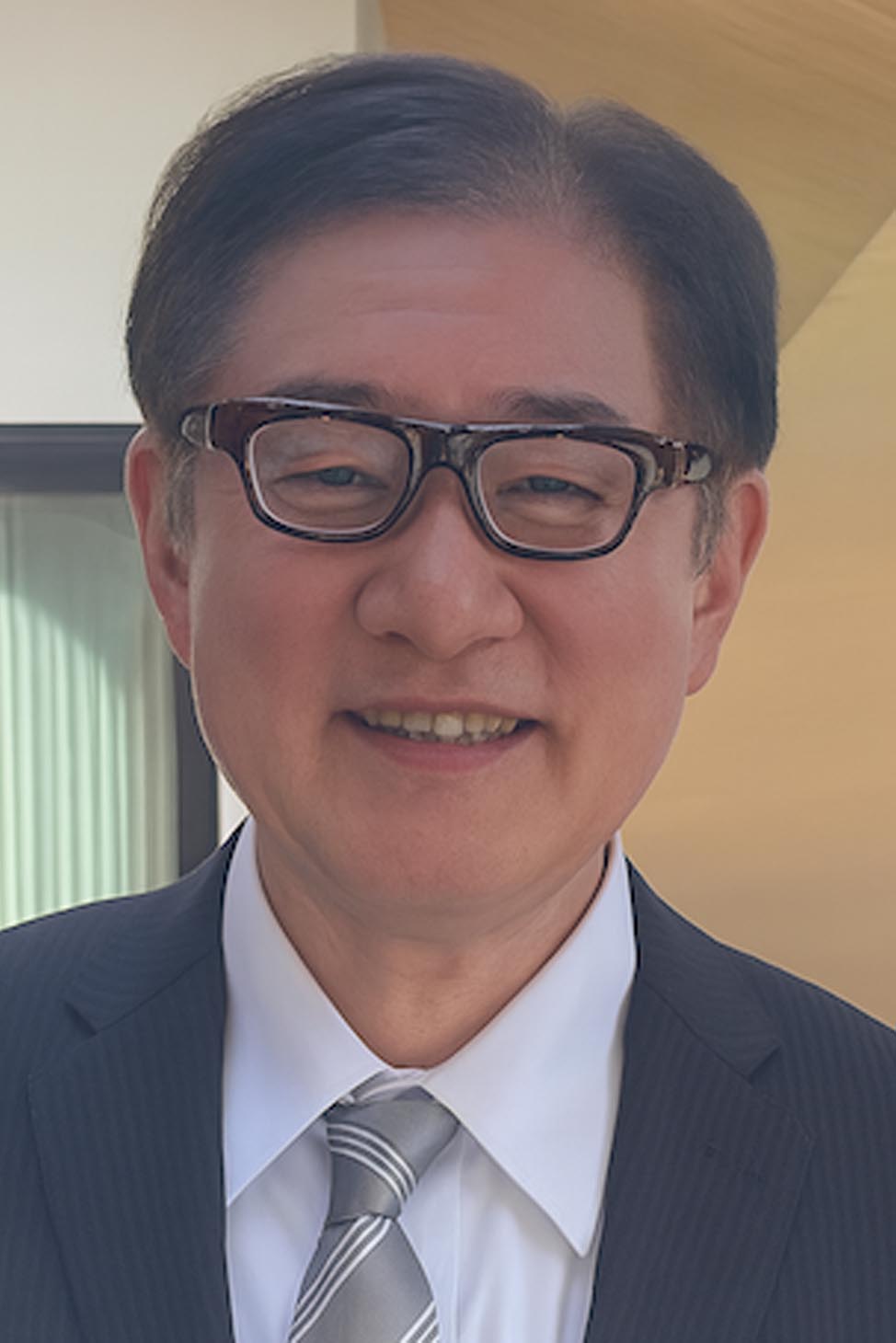 |
This program was a catalyst for my research because it transformed our collaboration with UGA/INRIA into concrete results. It enabled intensive discussion, joint supervision of double-degree students, and three peer-reviewed papers, laying the foundation for an international partnership.
Koji HASEBE |
|
With our colleagues at Tsukuba we started a new way to study opinion and belief propagation. This year demonstrated its effects on echo chambers. We now develop further this program by considering the effect of opinion-belief synchronization on convergence, diversity and the capability of such echo chambers to resist dissolution.
Jérôme EUZENAT |