

LHC-ML_Si_Det (Jet Substructure & Flavor Tagging with Machine Learning: Advanced Algorithms Meet Silicon Detectors) is a strategic research collaboration between Experimental High Energy Physics Research unit, LPSC, and Division of Physics.
Launched in 2025 as a laureate of the NTU-UGA-UT Trilateral Center, this project addresses the interdisciplinary effort combining expertise in experiment, detectors, and theory in jet structure while offering valuable training opportunities for students across all three institutions.
By pooling their expertise in Experimental physics, Semiconductor detector technology, Machine learning and Theoretical physics, they are building a synergy that ensures a collaborative effort rather than isolated contributions. Together, they are not just conducting research; they are building the scalable frameworks needed for a more resilient future in jet structure.
The collaboration between the CMS and ALICE communities was significantly strengthened through joint meetings and a dedicated workshop. Three short-term student exchanges with joint supervision were carried out, reinforcing the human dimension of the partnership.
On the silicon detector side, strong synergies were identified between the CMS HGCAL and ALICE FOCAL projects, which share very similar electronics designs and chips (HGCROC), opening the door to fruitful detector expertise exchange in 2026.
Launched in 2025 as a laureate of the NTU-UGA-UT Trilateral Center, this project addresses the interdisciplinary effort combining expertise in experiment, detectors, and theory in jet structure while offering valuable training opportunities for students across all three institutions.
By pooling their expertise in Experimental physics, Semiconductor detector technology, Machine learning and Theoretical physics, they are building a synergy that ensures a collaborative effort rather than isolated contributions. Together, they are not just conducting research; they are building the scalable frameworks needed for a more resilient future in jet structure.
Tangible Results
The 2025 project successfully delivered several key milestones. A complete Machine Learning-based jet tagging pipeline was developed, compatible with both the CMS and ALICE experimental environments at the LHC. In particular, the Particle Transformer model — originally introduced within the CMS experiment — was successfully ported to the entirely different ALICE framework, demonstrating strong cross-experiment transferability. Shared computing and software infrastructure was deployed across NTU, UGA and UT, enabling seamless collaborative development.The collaboration between the CMS and ALICE communities was significantly strengthened through joint meetings and a dedicated workshop. Three short-term student exchanges with joint supervision were carried out, reinforcing the human dimension of the partnership.
On the silicon detector side, strong synergies were identified between the CMS HGCAL and ALICE FOCAL projects, which share very similar electronics designs and chips (HGCROC), opening the door to fruitful detector expertise exchange in 2026.
Testimonials from principal investigators
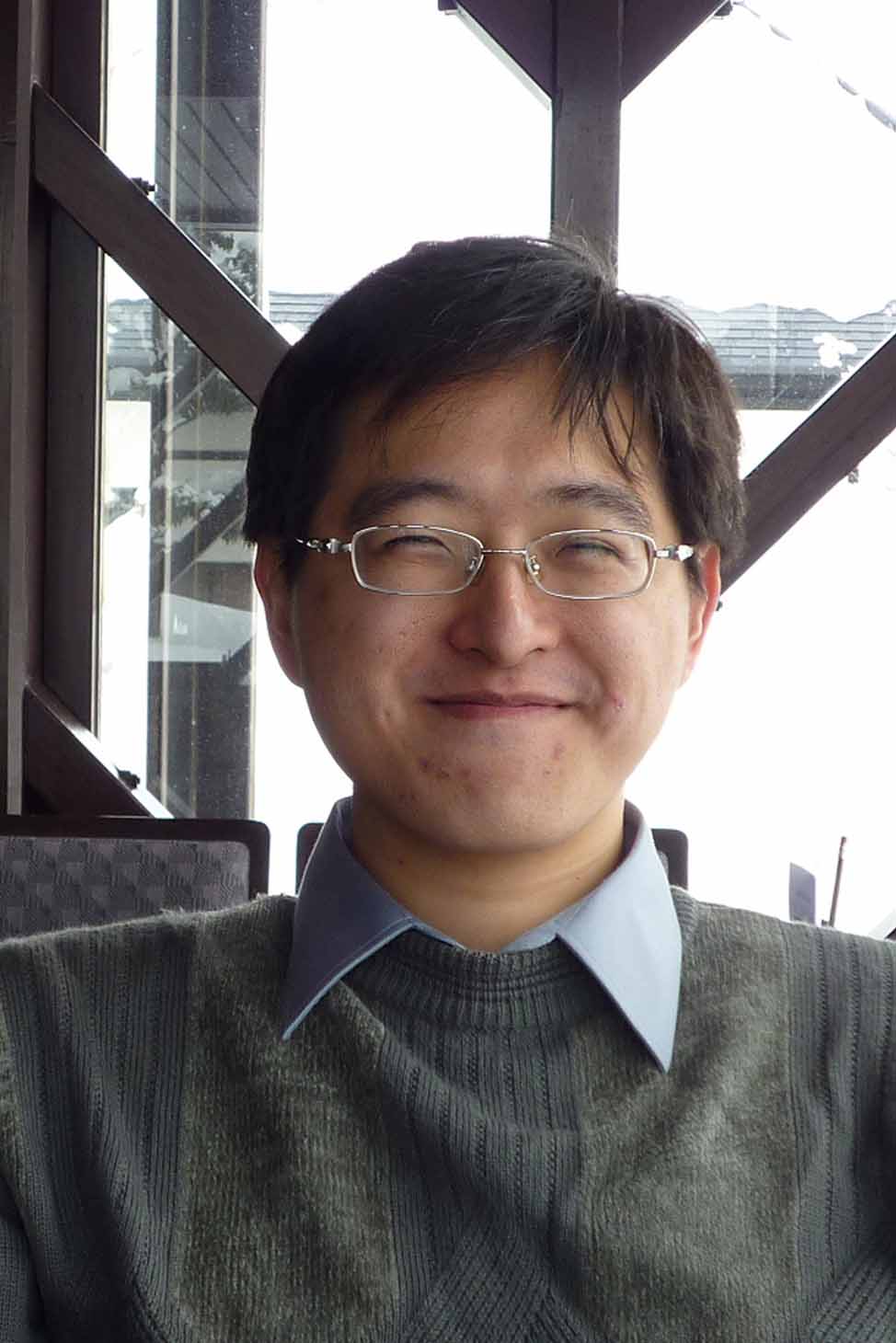 |
The NTU–UT–UGA program provides an excellent platform, not only for connecting researchers across three institutions, but also for bringing together diverse experimental efforts and areas of expertise. It also promotes both professional relationships and personal friendships, truly representing the spirit of international collaboration.
Kai-Feng CHEN Distinguished Professor & Department Chair – Physics Department (National Taiwan University, Taiwan)
NTU High Energy Physics Lab
Chair of Particles & Fields Division for Physical Society of Taiwan (2024),
Top Physics Group Convener of the CMS experiment (2021), MOST Outstanding Research Award (2020), NTU Outstanding Teaching Award (2017), Golden-Jade Young Scientist Prize (2014), B Physics Group Convener of the CMS experiment (2013), IUPAP Young Scientist Prize (2008) |
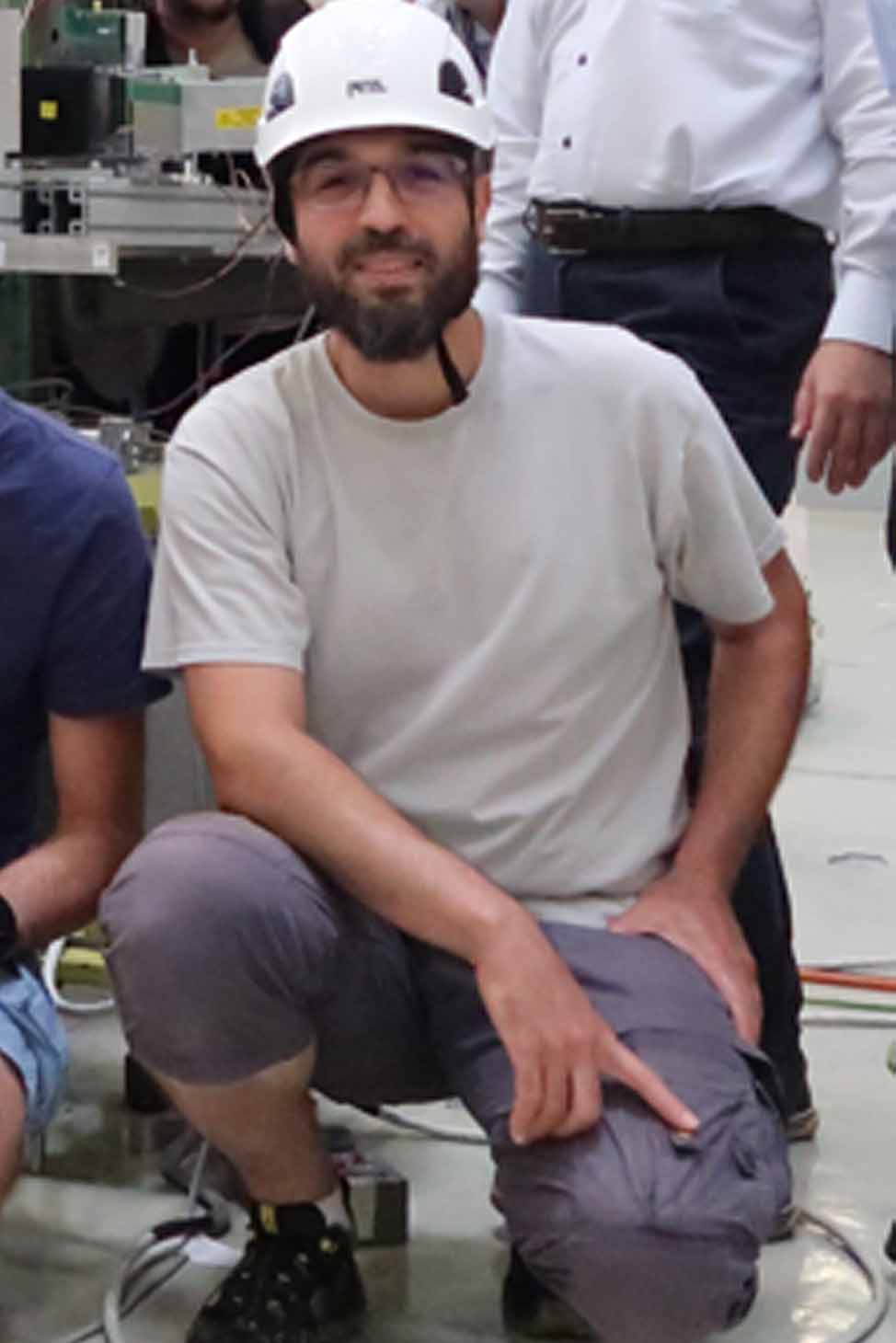 |
The Trilateral Center program gave our group the critical mass and the international visibility needed to tackle one of the most technically demanding problems in LHC jet physics. The joint supervision of students across three continents has been a genuine scientific accelerator: within a single year we went from concept to a working cross-experiment Machine Learning pipeline, something that would have taken far longer working in isolation.
Rachid GUERNANE |